


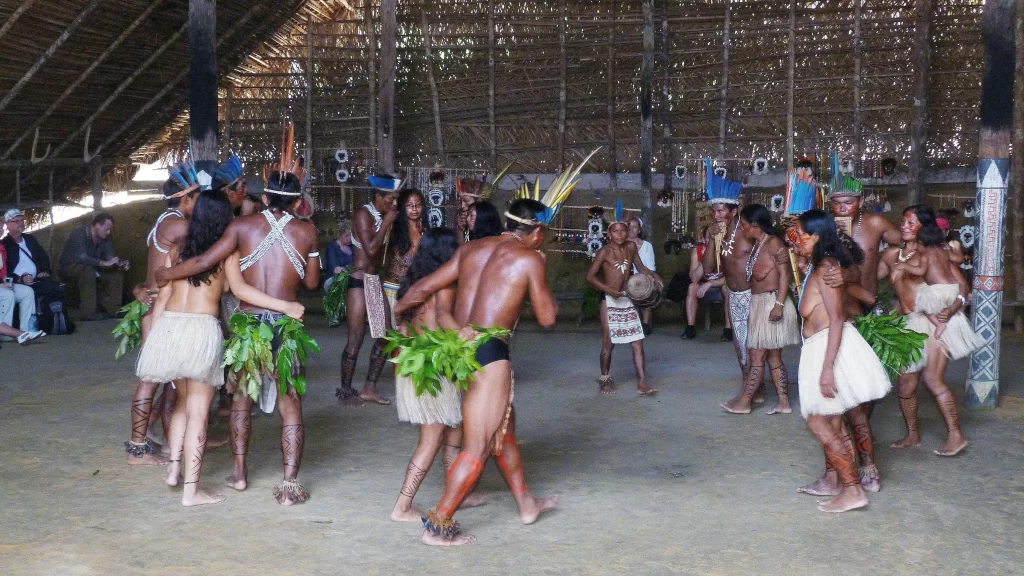
The Amazon rainforest is one of the most culturally rich regions in the world, home to countless indigenous communities that have preserved their traditions and ancestral knowledge for centuries. These communities have developed unique ways of living that reflect a deep respect for nature, collective responsibility, and spiritual connection. Over generations, ceremonial practices, symbolic tools, and traditional customs have been refined, creating a cultural legacy that continues to guide these communities today.
Indigenous knowledge systems are not just practical; they carry symbolic and educational significance. Each ritual, practice, or preparation reflects centuries of observation, learning, and interaction with the natural environment. The cultural framework of these communities is carefully maintained, ensuring that each generation learns not only the “how” of daily life but also the “why” behind these practices. This knowledge extends beyond individual households, connecting entire communities to the land, the seasons, and one another.
In recent years, interest in Amazonian traditions has grown globally. People are seeking educational and reliable resources that present these practices accurately, with respect for their origins. Platforms that emphasize context, historical background, and cultural meaning play a crucial role in this process. One such platform is https://aynirape.com/, which provides structured information about indigenous practices, their symbolic significance, and the principles that guide them. The platform focuses on awareness, understanding, and responsible engagement, allowing modern audiences to learn about these traditions in a thoughtful way.
Ceremonial Practices and Symbolic Tools
Within Amazonian communities, many cultural practices involve ceremonial preparations and symbolic tools that carry meaning far beyond their physical form. These items are often used in reflection, community gatherings, and rituals designed to reinforce cultural identity and social cohesion. Understanding their significance requires attention to context, as these tools are closely tied to the worldview of the community that created them.
Some ceremonial objects and preparations have been carefully documented and described in educational resources. Among these are the shamanic Tepi and Kuripe, which are traditionally used in guided rituals. These items are valued not as recreational tools but as cultural instruments that connect individuals to spiritual and communal knowledge. Learning about these objects provides insight into how Amazonian communities maintain a balanced relationship with nature, tradition, and one another.
Educational Resources and Responsible Learning
Access to structured educational materials is essential for those who wish to understand these traditions responsibly. Informational resources can explain the origins, symbolic meanings, and uses of ceremonial tools in a way that respects the communities that maintain them. By providing context, history, and explanation, these platforms help modern learners engage with indigenous knowledge thoughtfully, avoiding oversimplification or misrepresentation.
Sections of online platforms dedicated to Amazonian traditions often offer detailed overviews of specific practices and preparations. These resources focus on the cultural and historical background, rather than promotion or commercialization. They provide learners with the tools to understand how ceremonial objects and symbolic practices fit within the broader framework of Amazonian culture.
Cultural Respect and Ethical Engagement
Engaging with indigenous knowledge today requires careful attention to cultural respect and ethical considerations. Accurate representation, awareness of origins, and thoughtful presentation are essential to preserve the integrity of these practices. Educational platforms that prioritize these principles help ensure that traditional knowledge remains meaningful, accessible, and respectful.
By using such resources, readers can develop a deeper understanding of Amazonian traditions, learning about the values, symbolism, and social importance of ceremonial practices. This approach supports the preservation of cultural heritage while encouraging thoughtful cross-cultural awareness.
Conclusion
Amazonian traditions represent a living cultural legacy shaped by centuries of observation, knowledge, and communal experience. Exploring these practices through reliable educational resources such allows modern audiences to gain meaningful insight while respecting the communities that sustain these traditions.
The symbolic significance of ceremonial tools, including items like shamanic Tepi and Kuripe, highlights the depth of indigenous knowledge and the importance of cultural continuity. Platforms that emphasize education, context, and awareness play a key role in ensuring that Amazonian traditions are shared responsibly and respectfully with wider audiences, preserving a vital part of human heritage.
